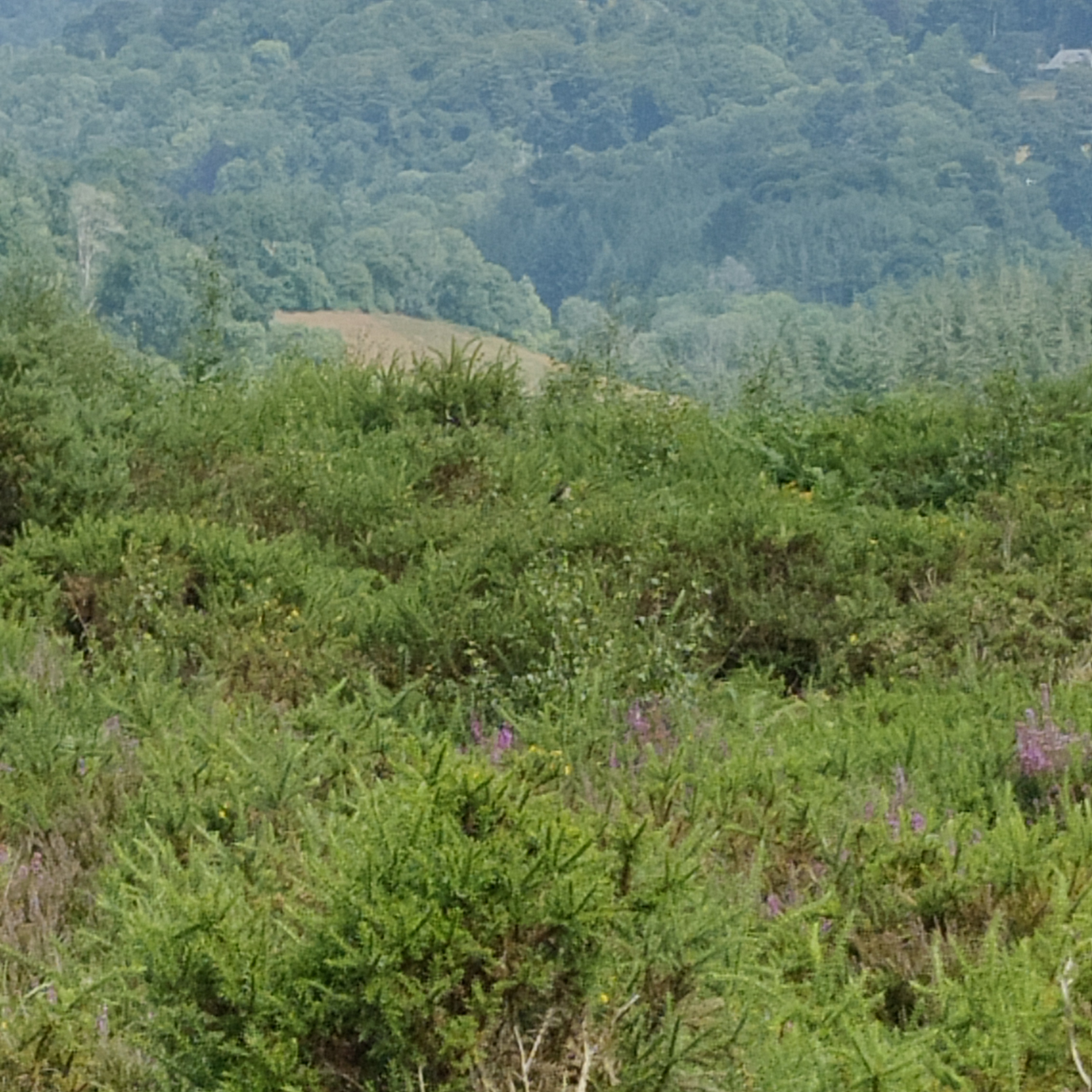
On Trendlebere Down we came across The stonechat’s natural habitat – thick tracts Of bracken stretching out beyond the wide Horizon, broken only by the tracks
Of human interlopers – and bent, gnarled clumps Of golden gorse, fringed by the flowering ling Where, resplendent in his summer dress, The cock begins – not exactly to sing
But make the sound of granite pebbles rubbed Together – a gentle echo of how the moor Was formed, when in God’s hands the elements Combined, and why this land stirs up such awe.
The second Adam Pennycome novel – The Hearts of the Fathers has just been published. Continuing many of the themes from the first book, it asks the question – what do you do when you can no longer ignore the past?
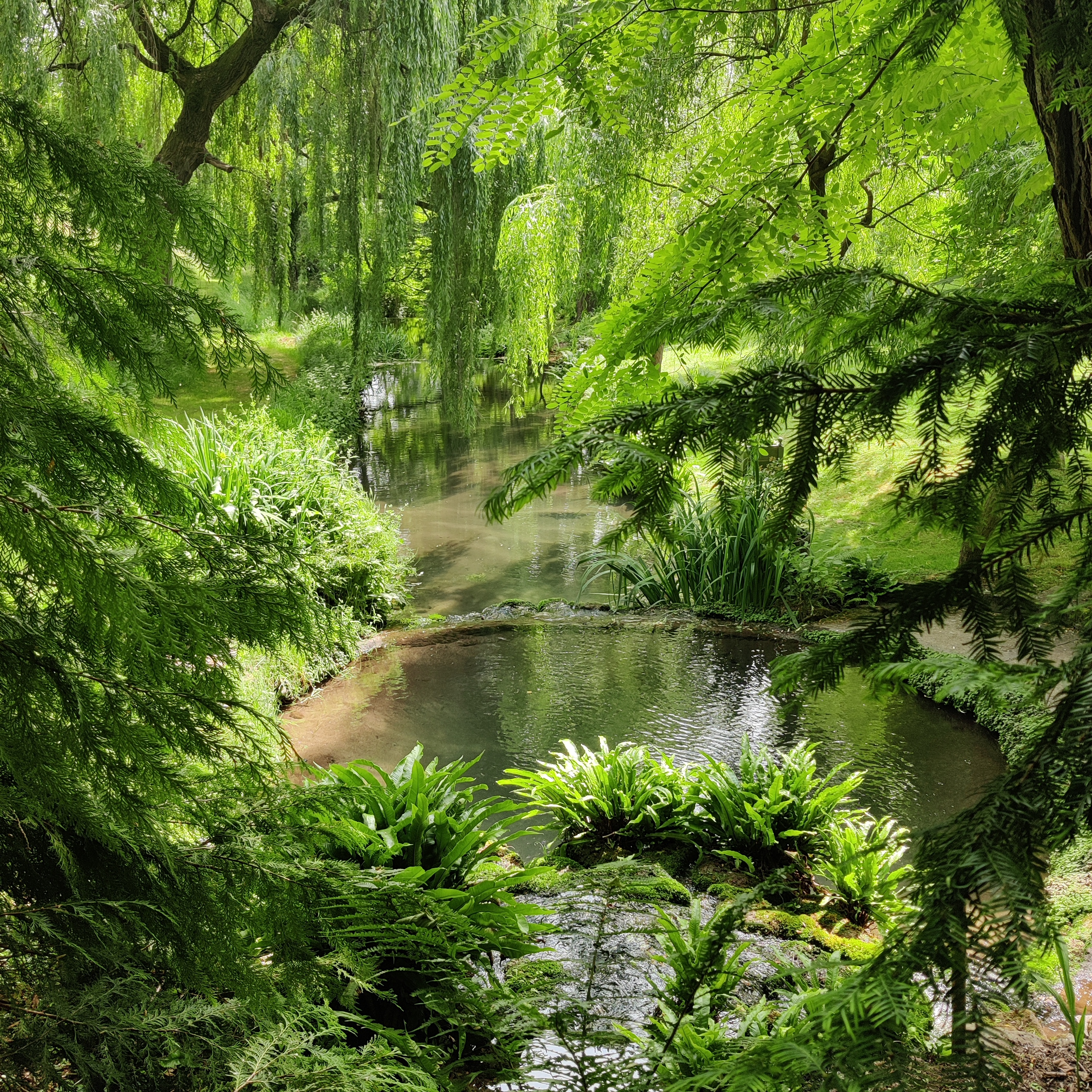
Not directly connected to this poem, but a reminder of the retreat house where I was staying
The sultry, sun-baked station hums with haste And hurry – excited schoolkids taking flight For they’ve misread the live departure boards; Two gentleman in top hat and tails – despite
The heat – walking with affected gait; Bright young things taking selfies for their mates, Their fascinators flapping in the breeze; A used car dealer with his trader plates:
Even a grey, tall friar, dressed in white, Who tries – and fails – to keep a cool restraint As in the melee one converging thong Swoops down the platform to the coming train.
I pick my burden up again. Last night While trudging through a slurried field I heard A trinity of kite just overhead Who called like seraphim, and then observed
How in the sun’s declining light an old Gnarled oak was set ablaze but did not burn. Now as I jostle for my seat, my heart Already yearns – I know I must return.
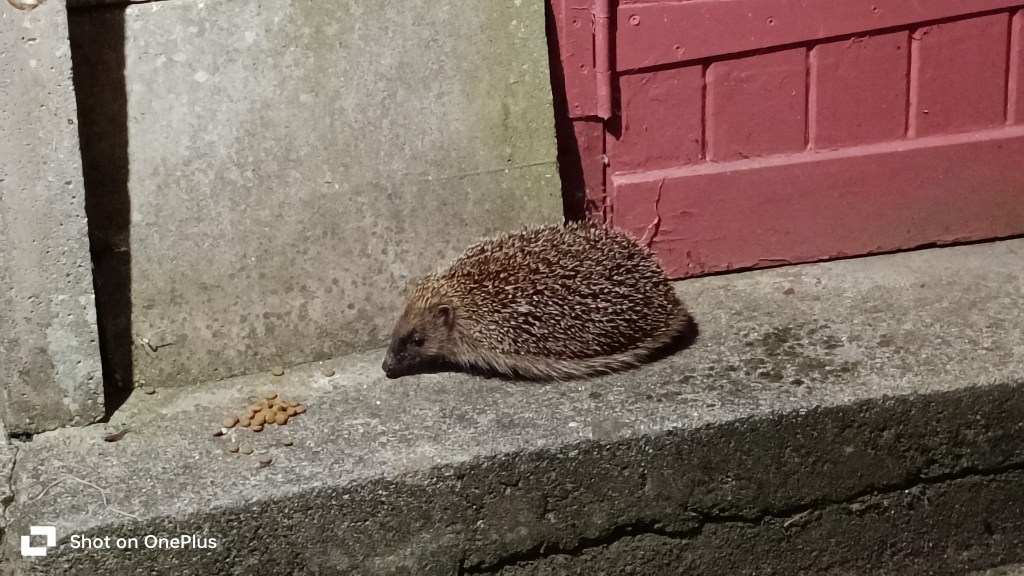
The dusk has just begun to creep along The dull suburban street, the grimy dust And fumes still warm upon the evening breeze, But though so early, yet our hero must
Awake, appease somehow his appetite. But where to go? Once number one had lawns Which promised rich rewards – now the quest To fatten up before the harsh new dawn
Is mocked by plastic turf and gurning gnomes And so he scurries on past number three, A tarmac waste where SUVs are parked With no regard for nature’s destiny,
Arriving then at number five, where rows Of leeks and beans, all regimented, straight, Suggest perhaps a feast. Yet first he sniffs The air; the bitter tang of glyphosate
Explains the cleanness of these pristine leaves; Thus hunger drives him on – but not next door, Where hungry pugs are prone to chase and maul, And strangers come to smoke and score.
So number nine – a memory draws him here Of catfood scattered by a clear, fresh pond And chance encounters with his fellow kind, But to his hopeful grunts no-one responds,
Not any more. And though he feeds and feeds On leatherjackets in the long rough grass And newts beneath the stagnant algal bloom, The thought persists; very soon his days shall pass.
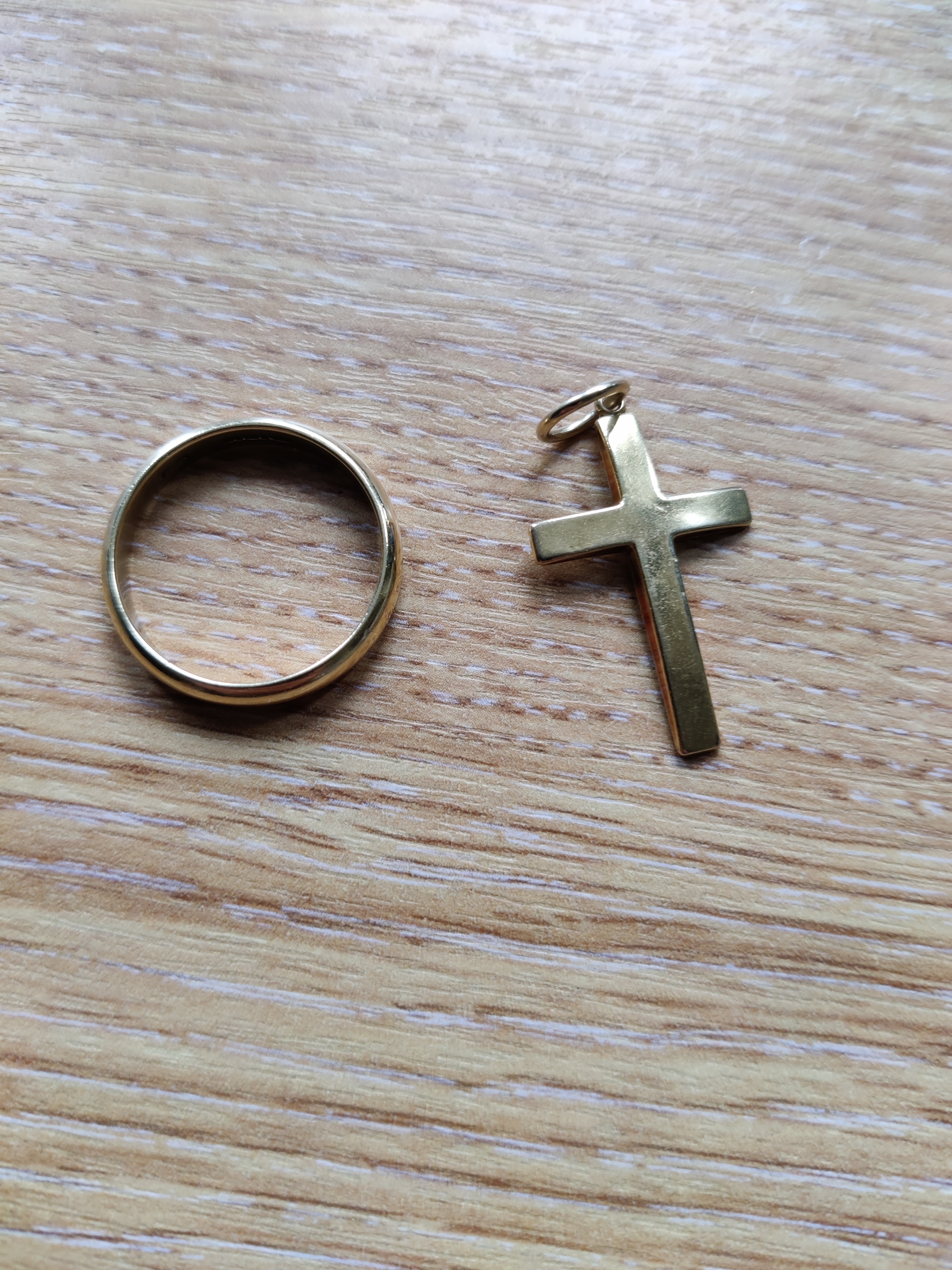
I thought myself another village girl Who, when given Joseph as my spouse, Had such a simple plan – to please my man, To raise our kids and build a blessèd house.
It would have been a calmer life at least, And one I’ve often dreamt about. And yet The Lord intervened, gave me the task Of bearing Immanuel. Do I regret
This choice of His? Ask me another day. When Simeon said a sword would pierce my soul I heard the voice of grief but did not grasp The payment of my love’s most bitter toll.
But now as every hammer blow tears through The flesh of my dear Son, I feel the nails Press down deep inside and were not John Upholding me, I think my faith would fail.
“Blessèd are you among women!” they said And I exulted at the Lord’s rich grace. Yet how can I recite salvation’s song When God the Father turns away His face?
The day before, relentless rain beat hard Upon the fragile earth; soaked near to the skin We sought the shelter of our homes, our heads Bowed very low by a storm so foul and grim,
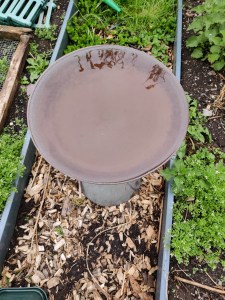
And though today the cloud is slowly lifting, The birdbath’s surface ripples in the breeze, Just like a bowl of overflowing tears, And softly falls the blossom from the trees,
Which briefly, with such fleeting beauty, decks The sodden grass. Yet on the broken ground A pair of hopeful goldfinch search for seeds Beginning now to swell and sprout, their crowns
Blood-red, a vivid sign amid the gloom That on the morrow life once more shall bloom.
How do you measure love? Something so real Yet undefined? So true yet through the years Evolving? So strong yet in tenderness Expressed? Unseen yet to the watcher clear?
Perhaps in ironed shirts or cups of tea In dinners cooked or dishes washed and dried, Perhaps in photos of a thousand places Or paths we’ve walked together side by side,
Perhaps in songs that speak of special times Or jokes that no-one else could understand, Perhaps in wisdom gained in grief and loss Or overwhelming joy, unsought, unplanned,
Perhaps in stories of our mutual friends Or family trees now tightly intertwined, Or maybe over all these things a sense Of being one in Christ in heart and mind.
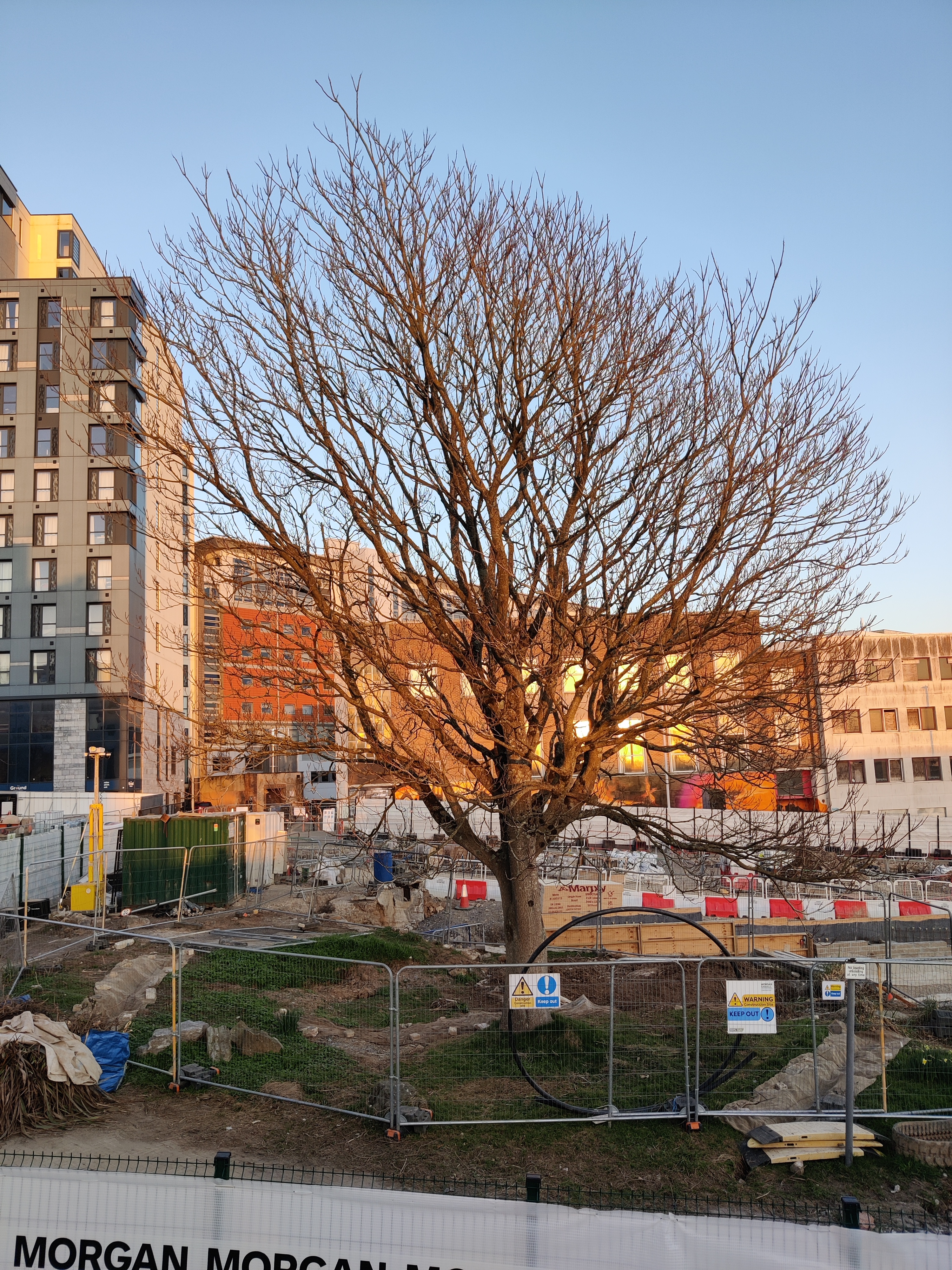
Amid the excavators tearing up The ground, an overwintering tree still stands, Surviving on its grey grass island In a sea of concrete, brick and builder’s sand,
As history once again is overlaid According to some grand expensive plan. And yet its roots run far beneath to where The old Elizabethan leat once ran.
So though a busy din rings out around The site, maybe one day in the spring, The blackbird will return and over all The noise its ancient melody shall sing.
Inspired by a visit to the Wetherspoons of this name in Camden, and a visit to Wallace collection…
Across the sticky, ale-stained tables play Out myriad dramas of the every day Like those, perhaps, depicted by the Dutch Old Masters, with such acuity portrayed;
Young couples navigating their first dates – Him laughing a little much too long and loud, Her checking her appearance with great care – Some lively theatregoers in a crowd
With early drinks to help the evening flow; Philosophers debating the offside rule And whether VAR should’ve intervened Or if the referee was simply fooled;
A mother with her not quite teenage kids Before the awkward, independent years, While hidden by a pillar, some scruffy youth With headphones on, eats through a scraggy beard.
Within this ever changing tableau, you And I are also actors passing through, Part of the city’s endless, countless throng In which I need to stick right close to you.